
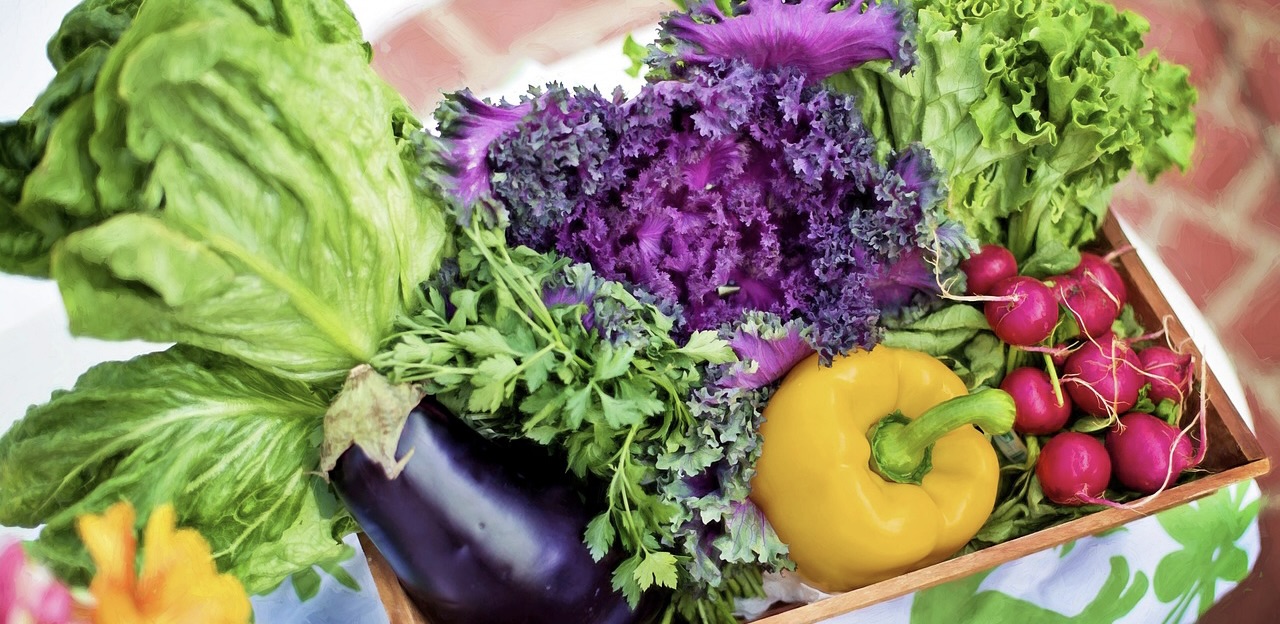
Near the middle of each year, the Environmental Working Group (EWG) releases its Shopper’s Guide to Pesticides in Produce, ranking fruits and vegetables based on pesticide contamination. The 2025 guide draws on USDA testing of more than 53,000 produce samples, evaluating how often pesticides are found, how much is present, and how toxic those chemicals may be to human health.
The guide highlights two lists. The Dirty Dozen includes fruits and vegetables with the highest levels of pesticide residue. Items like spinach, strawberries, and grapes appear frequently on this list, with pesticide residues found on 96 percent of samples. In many cases, dozens of different chemicals are detected on a single item. In contrast, the Clean Fifteen features produce such as pineapple, avocados, and sweet corn. Nearly 60 percent of these samples showed no detectable pesticide residue, and overall toxicity levels were low.
Fruits and vegetables are nutritional powerhouses, packed with vitamins, minerals, and fiber. Still, some varieties tend to carry heavier pesticide loads that may undermine their health benefits. The goal of the EWG’s guide is not to discourage people from eating produce, but to help shoppers make informed choices about when buying organic may matter most.
What pesticides are and why they matter
Pesticides are chemicals used to control insects, weeds, fungi, and other organisms that threaten crops. They may be applied while produce is growing or after harvest, and many remain on fruits and vegetables by the time they reach your kitchen. Even after washing, pesticide residues are often still present.
Research suggests that pesticide exposure may disrupt hormones and has been linked to fertility challenges, changes in ovarian function and sperm quality, and increased risk of conditions such as breast cancer, type 2 diabetes, and cardiovascular disease. Certain pesticides may be especially concerning for children during sensitive stages of development.
What the testing shows
For the Shopper’s Guide, USDA testing is done on produce that has already been rinsed under running water and, when applicable, peeled. Even with this preparation, traces of 256 different pesticides were detected across the samples. Based on this data, the EWG groups produce into the Clean Fifteen and Dirty Dozen using measures of pesticide frequency, concentration, and toxicity.
Common pesticide types found on produce include fungicides used to prevent mold and plant disease, pyrethroids designed to repel insects, and neonicotinoids, which are related to nicotine and commonly used to control crop pests.
The most recent Dirty Dozen
- spinach
- strawberries
- kale and other leafy greens
- grapes
- peaches
- cherries
- nectarines
- pears
- apples
- blackberries
- blueberries
- potatoes.
Bell peppers, hot peppers, and green beans were also flagged due to overall pesticide toxicity. Most Dirty Dozen samples contained multiple pesticides, with some showing more than fifty different chemicals.
The most recent Clean Fifteen
- pineapple
- sweet corn
- avocados
- papaya
- onions
- sweet peas
- asparagus
- cabbage
- watermelon
- cauliflower
- bananas
- mangoes
- carrots
- mushrooms
- kiwi.
None of the top six items showed more than three pesticides in any sample, and bananas were among the lowest in overall pesticide toxicity.
How to wash produce safely and reduce pesticide residue
Even with the Clean Fifteen and Dirty Dozen lists, washing your fruits and vegetables is a smart habit. While no method removes all pesticides, a few simple steps can significantly lower residue and make your produce safer to eat.
Rinse under running water.
- Hold each fruit or vegetable under cool running water for 15–30 seconds.
- Use your hands or a soft brush for firm-skinned items like apples, cucumbers, or potatoes.
Soak in a baking soda solution.
- Mix one teaspoon of baking soda per two cups of water.
- Soak produce for 12–15 minutes, then rinse thoroughly under running water.
Peel or trim when appropriate.
- Removing skins or outer leaves can reduce surface pesticides, though it may also remove some fiber and nutrients.
- For leafy greens, trim the outer layers to lower residue exposure.
Stay informed.
- Check local advisories for water and food safety.
- Use tools like the EWG Shopper’s Guide to prioritize which items are most important to buy organic.
Combining rinsing, soaking, and peeling can maximize pesticide removal while keeping your produce part of a healthy, nutrient-rich diet.
This article about the Dirty Dozen is my second post in a series focused on health and wellness.
I found information on the Dirty Dozen and Clean Fifteen in this article. It will be interesting to see how much the lists change over the next few years!
Fruits and vegetables are essential for a healthy diet, packed with vitamins, minerals, and other nutrients. While some produce may carry higher levels of pesticide residues, tools like the EWG’s Dirty Dozen and Clean Fifteen lists make it easier to make informed choices. Washing, soaking, and peeling produce when appropriate can further reduce exposure, and prioritizing organic options for high-residue items adds an extra layer of protection. We most certainly don’t want to avoid fruits and vegetables, but we need to enjoy them thoughtfully, making choices that support both health and peace of mind.
Please let me know what dietary health strategies you employ in the comments.
Other health posts:
Other posts you may like:
- 10 homemade spice blends: easy recipes to elevate your cooking
- The Jane Austen Society by Natalie Jenner: five stars!
- The Ministry of Ordinary Places by Shannan Martin: five stars!
- homemade holiday gift ideas: simple treats and crafts to share this season
- Reese’s book club: what an adventure!
- self-care gift ideas to encourage and comfort
- reflections on Psalm 23
- grilled pineapple: sweet simplicity
- cultivate contentment: biblical wisdom for a full life
- examen prayer: guidance and growth
- cultivate connection
- Three Sisters by Heather Morris: five stars!
- centering prayer: be still and know
- The Book of Lost Names by Kristin Harmel: five stars!
Fondly,
Crysti
