


The Stolen Life of Colette Marceau by Kristin Harmel is captivating! It explores matters of conscience and family, and it ties into the legend of Robin Hood. What more could you want? An enthusiastic five stars!
Overview of The Stolen Life of Colette Marceau by Kristin Harmel:
Colette Marceau has spent a lifetime stealing jewels, guided by a strict moral code passed down by her mother, Annabel. She takes only from those who harm others and gives generously to people in need. That code carried them through World War II, when Annabel and Colette worked together in occupied Paris, using their skills to secretly support the French Resistance.
Everything changed in 1942. During a German raid, Annabel was arrested and later executed, and Colette’s four-year-old sister, Liliane, vanished in the confusion. Liliane had been carrying a priceless diamond bracelet hidden in the hem of her nightgown. Her body was eventually found in the Seine, but the bracelet was gone.
Decades later, Colette has quietly funneled millions of dollars in stolen jewels to charitable causes, determined to leave her past behind. That resolve shatters when the long-lost bracelet appears in a museum exhibition in Boston. Tracking its journey may fully reveal what happened to her sister. But Colette is not the only one seeking answers, and when someone from her past claims the diamonds, she must face old wounds she has long avoided. In doing so, she may uncover the truth, pursue long-delayed justice, and risk opening her guarded heart once more.
A delightful element of the story: Colette is a descendent of Robin Hood!
This aspect of The Stolen Life of Colette Marceau by Kristin Harmel captured my interest. What a fun idea! I thought I’d look into the legend of Robin Hood a bit. I found some information at history.com:
For more than seven centuries, Robin Hood has remained one of popular culture’s most enduring and adaptable folk heroes. Known for taking from the wealthy and giving to those in need, the outlaw of Sherwood Forest has appeared in ballads, books, stage plays, and countless films. Over time, the legend has shifted to reflect changing social values, raising an ongoing question about whether a real person ever inspired the stories.
Early versions of Robin Hood, found in medieval ballads from the 14th and 15th centuries, portray him as a commoner and an outlaw who violently resisted corrupt authorities, especially the Sheriff of Nottingham. In later centuries, as social tensions eased, the character softened. Writers recast Robin as a noblehearted aristocrat, added romantic elements, and expanded his circle to include figures like Maid Marian and Friar Tuck. May Day celebrations and children’s literature, especially in the 19th century, further shaped his popular image.
Historians have searched for evidence of a historical Robin Hood, noting that variations of the name appeared in medieval legal records as a nickname for criminals. Still, no clear individual has emerged. Whether rooted in history or imagination, Robin Hood endures because the idea of a courageous outsider who challenges injustice alongside loyal companions continues to resonate across generations.
Kristin Harmel decided to portray a real-life Robin Hood, and she linked him to Wentbridge and the Barnsdale Forest in West Yorkshire. It added a fun twist to the storyline!
What the story made me think about
Family legacy and identity
Colette’s family is bound together by a shared moral code rooted in the legend of Robin Hood. From childhood, she and her sister are steeped in the idea that taking from the powerful to help the vulnerable is not just acceptable but honorable. This belief shapes their sense of identity and purpose, especially during a time when wartime injustice feels overwhelming and constant.
Yet that legacy comes at a cost. The expectations placed on Colette are heavy, and the strain of living out this calling fractures her parents’ marriage. Even later in life, Colette wrestles with questions about loyalty and responsibility. Did she honor the legacy she was given, or did it claim too much of her?
It made me think about the stories our own families tell about who we are and what we are meant to do. Some families are known for a particular vocation or path. In my husband’s family, teaching spans several generations. (So many college professors, and each in a unique discipline.) While he never felt pressured, that shared thread clearly shaped the family identity. In other families, expectations can feel far more rigid. How much do our inherited stories guide our choices, and when do they begin to limit them?
The impact of class structure
One reason I love historical fiction, especially World War II novels, is the way they illuminate social contrasts. In this story, the focus on priceless jewels throws class differences into sharp relief. The extreme wealth represented by these gems exists alongside widespread hunger, fear, and displacement.
Colette is deeply affected by the suffering she sees around her, and stealing jewels to fund escape and resistance efforts gives her a sense of purpose when much of her personal life feels uncertain. At the same time, her actions raise uncomfortable ethical questions. The thefts are illegal, yet motivated by compassion and urgency. Harmel does not offer easy answers, and that tension lingers. Where do justice and mercy meet when the world itself feels unjust?
The pull to make our corners of the world better
At its heart, this story reflects a desire many of us share: to do some good with the lives we have been given. Often that work is not grand or dramatic but made up of small, faithful choices. Doing the next right thing. Paying attention to the needs in front of us. Offering what we can.
Colette is haunted by the feeling that she has never done enough, a fear that feels painfully familiar. Comparison has a way of distorting our sense of worth and impact. The novel quietly invites readers to consider this question instead: What if our role is not to do everything, but to do something meaningful with the gifts and opportunities we have?
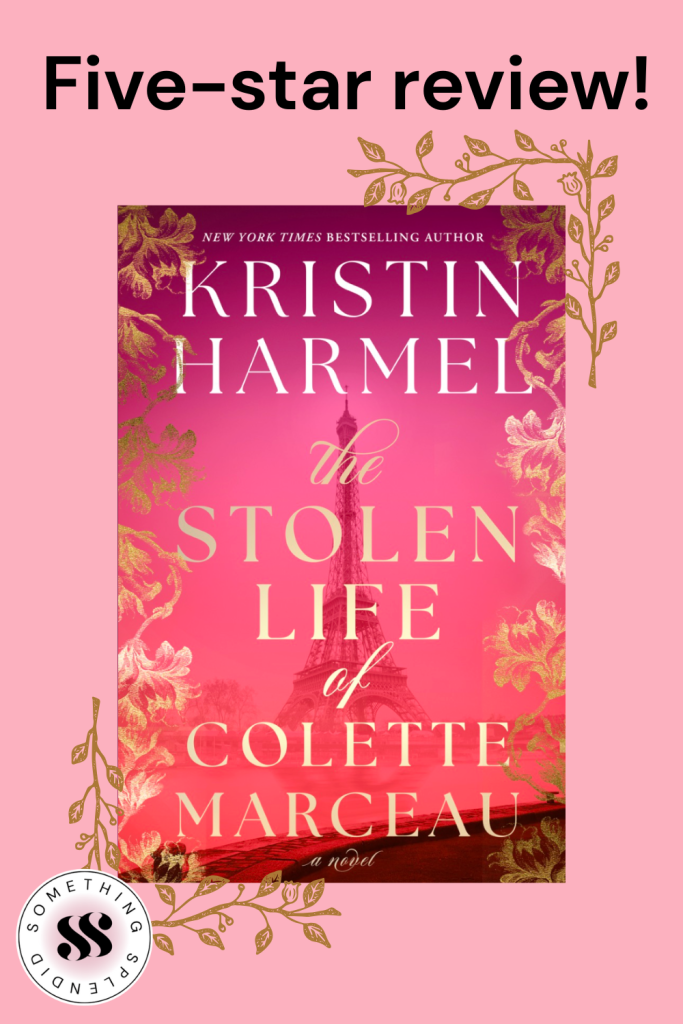
Book club discussion questions for The Stolen Life of Colette Marceau by Kristin Harmel
- Colette lives by a strict moral code about who deserves to be robbed and who should benefit. How did you respond to her definition of justice? Did it ever challenge your own sense of right and wrong?
- The novel moves between past and present, especially during World War II and decades later. How did this shape your understanding of Colette and Annabel? Did one timeline affect you more than the other?
- Annabel plays a powerful role in shaping Colette’s identity. In what ways does their relationship influence Colette’s choices long after Annabel is gone?
- The diamond bracelet becomes more than a missing object. What does it come to represent over the course of the story, both personally and historically?
- How do the characters carry their grief, and what are the costs of avoiding the past versus facing it? Which characters did you relate to the most?
- The book raises questions about resistance, courage, and survival during wartime. What forms of bravery stood out to you, especially those that were quiet or unseen?
- By the end of the novel, Colette is forced to confront long-buried truths. How does this confrontation reshape her understanding of herself and her life’s work?
- Kristin Harmel often writes about hidden histories and overlooked lives. How does this novel fit within that theme, and what stayed with you most after finishing the book?
I strongly recommend The Stolen Life of Colette Marceau by Kristin Harmel!
Ultimately, The Stolen Life of Colette Marceau asks not whether we have done enough, but whether we have been faithful with what we were given. By the final pages, I found myself less focused on Colette’s choices and more aware of my own, and of how legacy, compassion, and responsibility continue to shape our lives.
I have read several books by Kristin Harmel, and I’ve loved them all. Here are some related posts:
- author Kristin Harmel: captivating historical fiction
- The Room on Rue Amélie by Kristin Harmel: five stars!
- The Book of Lost Names by Kristin Harmel: five stars!
Other posts you may like:
- women of the Bible: faith in unexpected places
- 4 best devotional books: grounded and growing
- Lady Clementine by Marie Benedict: five stars!
- Proverbs 31: shared flourishing
- ninja creami sorbet excellence
- mug cheesecake: a sweet treat you don’t have to share
- wells of wisdom: exploring the metaphor of water in the Bible
- cultivate hope: a biblical perspective
- Cilka’s Journey by Heather Morris: five stars!
- visio divina: a practice of sacred seeing
- cultivate compassion
- The Berlin Apartment by Bryn Turnbull: historical fiction spotlight
- questions to ask yourself at the end of the year
- holiday traditions from around the world
Fondly,
Crysti
